
Articles
-
How to Protect Your Campaigns Against Ad Fraud During Black Friday
Black Friday, one of the biggest sales periods of the year, lands on November 27th, 2026. What was once a single day in November has turned into a week-long stretch of huge shopping sales, running straight through Cyber Monday on December 1st.
-

How Ad Fraud Prevention Improves Key Metrics
Ad fraud prevention is the difference between a campaign you can trust and a campaign you only think you can trust. Advertisers rely on key metrics to measure success and make decisions. Ad fraud distorts those metrics at the source. Our data shows how much. Without a robust prevention strategy, businesses suffer an average 9%…
-
How to Claim a Google Ads Refund for Invalid Clicks
Picture the scene: you’ve put time, effort, and money into crafting the perfect Google Ads campaign. It’s just launched, and you’re waiting to see the results it deserves. But when you check your account, you’re not thrilled with what you see: invalid clicks. If that’s you, you’re probably wondering how to get a Google Ads…
-

Domain Spoofing Ad Fraud: What It Is & How to Prevent It
For digital ad campaigns to succeed, advertisers need their ad budget reaching real people, not fraudsters. One of the sneakiest ways fraudsters get in the way is domain spoofing ad fraud, and with ad fraud techniques on the rise, it’s harder to catch than ever.
-

TikTok Ad Fraud: How Bots Inflate Views and Followers and Drain Your Paid Budget
About 22% of TikTok ad clicks are invalid, the highest rate of any major platform in Opticks’ 2025 Ad Fraud Report, and the same bots inflating fake views and followers are often the ones clicking your ads. Here is where the risk is concentrated and what to do about it.
-
Ad Fraud Impact on Agencies: Budgets, Reputation, and Contracts at Risk
Ad fraud has plagued the ad tech industry for well over a decade. Despite constant efforts to stop it, the ad fraud impact on agencies keeps growing, and malicious ad fraud practices remain a persistent problem for everyone in the industry.
-
What Is a Viewbot and How Can You Stop Them Ruining Your Campaigns?
A viewbot is a bad bot built to fake video views and live-stream engagement, and it’s draining ad budgets across every major streaming platform. If you’ve dealt with ad fraud before, you know just how pervasive it can be, and the online streaming world isn’t immune to it either.
-

Who Exactly Is Behind Ad Fraud?
Ad fraudsters are not one group. The word covers at least five, and they differ in skill, motive and how much damage they do. A competitor clicking your ads is not the same threat as a criminal network running server farms. You defend against them differently, and you should worry about them differently. Here is…
-
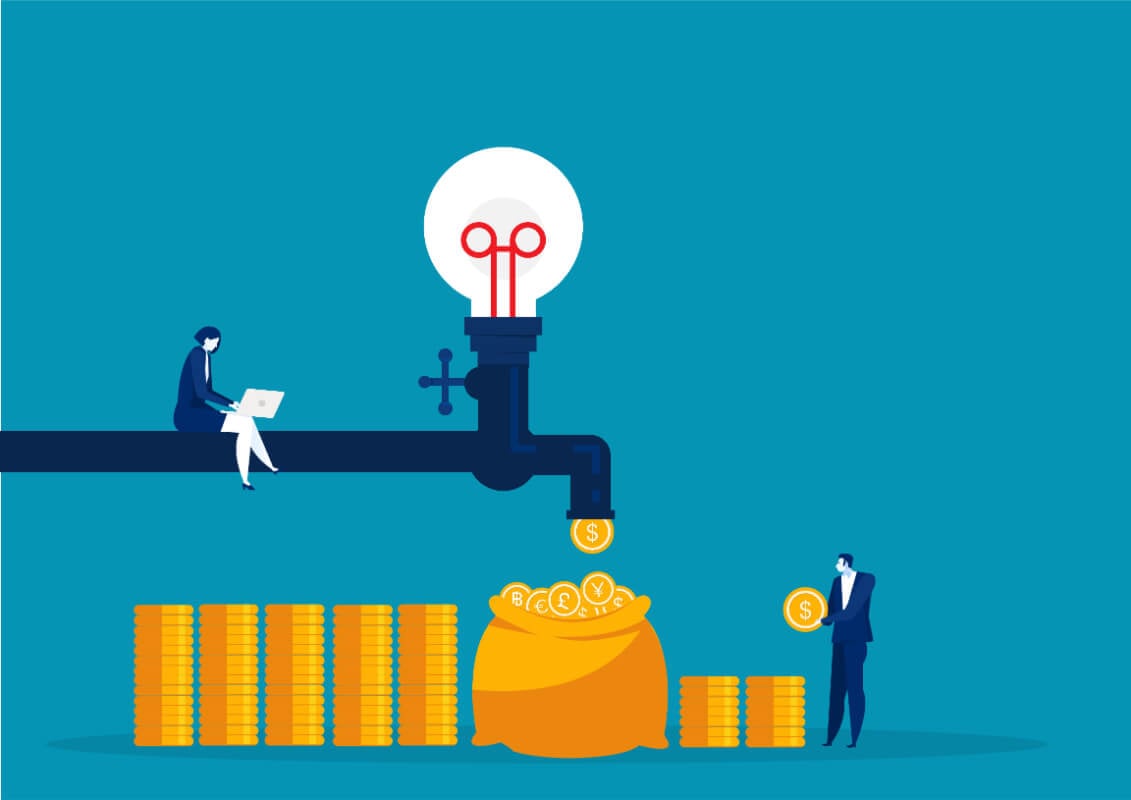
Ad Fraud Money Flow: Here’s What It Really Looks Like
We know who is behind ad fraud, but how does the ad fraud money flow actually work, and how do these bad actors drain advertiser budgets? Here, we break down exactly how money flows from your pockets into those of fraudsters, within the digital advertising ecosystem.
-

10 Key Ad Fraud Benchmarks You Need to Know
Ad fraud statistics are easy to find and hard to trust. Most of the numbers circulating online date from 2019 to 2022, and the predictions in them have already expired. These do not. Every figure below comes from the Opticks Ad Fraud Report 2025, our own analysis of real advertiser traffic, with the source and…
-

Fighting Ad Fraud by Combining Machine Learning With Human Supervision
Ad fraud detection has an accuracy problem, and it is not the one most marketers expect. Fraud schemes grow more sophisticated every year. They slip into campaigns, distort every metric and drag down return on ad spend. Marketers respond by buying smarter technology, usually machine learning. Machine learning earns its place. It cannot do the…
-
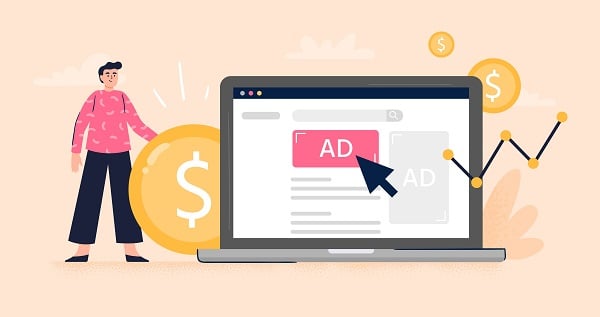
How to Stop Invalid Clicks and Protect Your Budget
Invalid clicks on PPC ads burn through ad budgets fast, and most advertisers only catch a fraction of them. Google’s own systems filter out a lot of this traffic automatically, but a meaningful share of it still slips through, and not all of it even counts as fraud.