
Articles
-

Who Exactly Is Behind Ad Fraud?
There’s a lot of talk about how fraudsters drain budgets, ruin campaign data, and tarnish reputations. But in reality, the term “fraudsters” actually covers a handful of distinct groups, each with their own skill, commitment, and threat level.
-

How Ad Fraud Prevention Improves Key Metrics
Advertisers rely on a wide range of key metrics to measure campaign success, make data-driven decisions, and improve business performance. Ad fraud, however, has a massive impact on KPIs. How big? Our data shows that, on average, without a robust fraud prevention strategy, businesses are likely to suffer from a 9% increase in customer acquisition…
-
How to Claim a Google Ads Refund for Invalid Clicks
Picture the scene: You’ve put time, effort, and money into crafting the perfect Google Ads campaign. It’s just been launched, and now you’re waiting with bated breath to see the results you know this campaign deserves. However, when you check your account, you’re not too thrilled with what you’re seeing: invalid clicks.
-
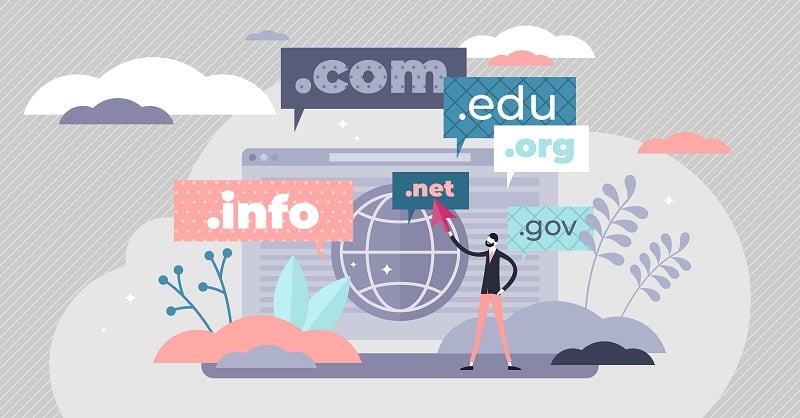
Domain Spoofing Ad Fraud: What It Is & How to Prevent It
For digital ad campaigns to be successful, advertisers need to ensure that their ad budget is being used to reach real people. Unfortunately, with the number of different ad fraud techniques on the rise, this is more difficult than ever.
-

What Is Affiliate Marketing Fraud?
In the digital marketing world, affiliate marketing is considered one of the most successful in driving sales and generating revenue — which explains why 80% of advertisers run some type of affiliate marketing program.
-

What Is ROAS and How Does Ad Fraud Impact It?
ROAS is a crucial metric for helping marketers understand and measure the effectiveness of their ad campaigns. It’s also a great way to benchmark and optimize ads with A/B testing and other strategies. But what is ROAS exactly? And what role does Ad fraud play when calculating and using it?
-

How to Stop Competitors Clicking on Your Google Ads
Google’s advertising platform, Google Ads (formerly known as Google Adwords), is used by millions of businesses across the world as part of their advertising and marketing arsenal. Why? Google Search and Ads deliver an 8:1 return on investment (ROI) — or $8 for every $1 spent.
-
What Is iFrame Traffic and How Can You Prevent It?
There are no boundaries that scammers won’t cross to fraudulently cash out on ad revenue at the expense of advertisers. Just like there are good bots and bad bots, good proxy traffic and bad proxy traffic, fraudsters sabotage your ad campaigns with malicious iFrame traffic — a usually legitimate method of embedding one webpage into…
-
What is Proxy Traffic and How to Detect it
Fraudsters are well versed in mimicking real user behavior to bypass checks and balances. They’re also experts in identifying organizations’ advertising weak spots and exploiting them for financial gain.
-

How to Stop Invalid Clicks and Protect Your Budget
Every fifth click on a PPC (pay-per-click) ad is fraudulent. This makes click fraud one of the most pervasive ad fraud techniques.
-

What is Pixel Stuffing and How to Prevent it
Although overall digital ad revenue is rising, ad fraud remains a widespread, insidious problem for the ad tech industry at large. Organizations are still plagued by illegitimate traffic and skewed metrics, while fraudsters easily seize sizable chunks of advertising revenue. While there are many different ad fraud techniques, pixel stuffing is one of the easiest…
-

How Fraudsters Fake App Package Names
Android smartphone users have unrestricted access to around three million apps listed on Google’s Play Store. To the average user, all of these apps appear legitimate and safe to install for use on their devices. However, a dark side of the Play Store does exist — and, as of yet, it’s an issue that hasn’t…